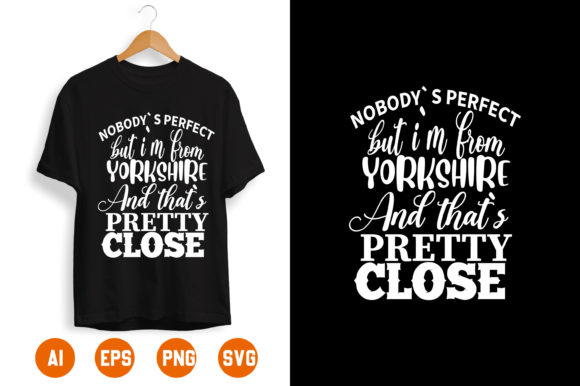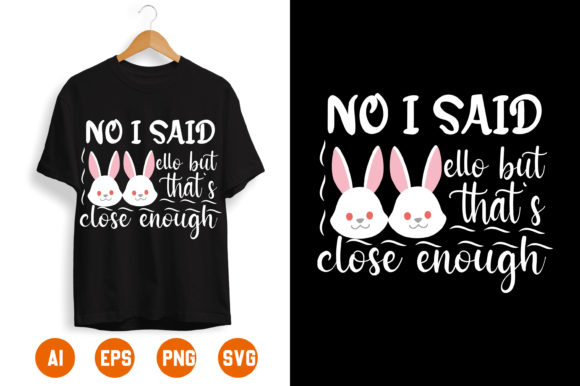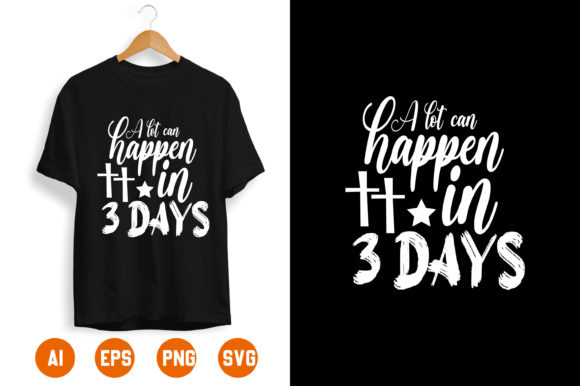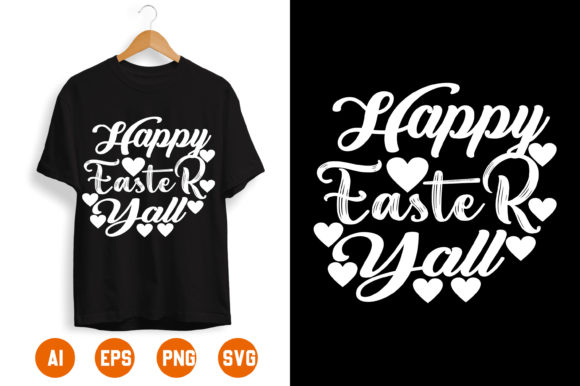
Easter T-shirt Design 53: A Designer’s Practical Review
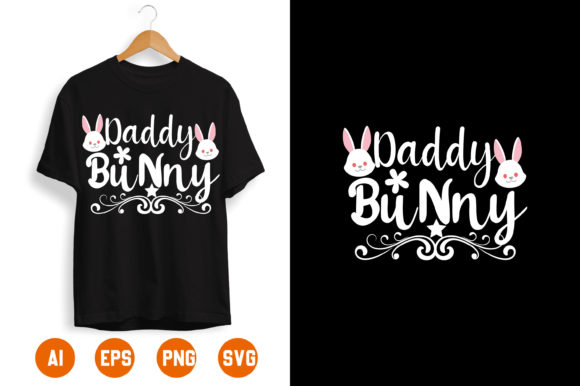
As an embroidery designer who spends more time staring at stitch simulations than I care to admit, I have developed a keen eye for what translates well from screen to fabric. When I first opened the files for Easter T-shirt Design 53, my initial reaction was one of cautious optimism. The "Daddy Bunny" theme is a staple in spring collections, but the market is saturated with generic clip art. What sets this specific asset apart is not just the subject matter, but the structural integrity of the vector shapes provided in the package.
The product description notes that you receive AI, EPS, PNG, and SVG files. For those of us working in both digital printing and machine embroidery, this versatility is crucial. However, my focus here is strictly on how these graphics perform when translated into a tangible embroidery project. I am not looking at this as a static image; I am evaluating it as a blueprint for thread, tension, and texture.
First Impressions and Visual Personality
The mood of Easter T-shirt Design 53 is playful yet structured. It avoids the overly chaotic details that often plague holiday designs, opting instead for cleaner lines and bold shapes. This is a significant advantage for embroidery. Complex, tiny details often get lost in the pile of the thread or cause registration issues on lower-end machines. The visual personality here suggests a design that is meant to be seen from a distance, making it ideal for apparel and larger home decor items.
The layout feels balanced. Whether you are placing this on the left chest of a polo or centering it on a toddler’s sweatshirt, the proportions seem to hold up. The "Daddy Bunny" character has a distinct silhouette, which is essential for recognition. In the world of T-Shirt Designs, silhouette is king. If the shape is ambiguous, the message is lost. Here, the character reads clearly even before you consider color.
Real-World Application: The Custom Sweatshirt Test
To truly evaluate this design, I imagined a real-life scenario: a custom order for a family matching set. The client wanted "Daddy," "Mommy," and "Baby" bunny designs for a spring outing. I selected Easter T-shirt Design 53 for the adult male garment, specifically a heavyweight cotton blend sweatshirt.
Why this fabric? Heavyweight cotton provides a stable base for embroidery, minimizing the risk of puckering. When digitizing this graphic for machine use, the clean vector shapes allowed me to define clear boundaries for satin stitch borders and fill stitch interiors. The description mentions "100 vector shapes resizable," which is accurate. I was able to scale the design to a 4x4 inch hoop size without losing definition. This scalability is vital for small shop product creators who need to adapt one asset across multiple garment sizes.
The result on the sweatshirt was crisp. The thread coverage was dense enough to hide the fabric texture but not so heavy that it created a stiff, cardboard-like feel. This balance is difficult to achieve with poorly constructed Graphics, but the underlying structure of this design supported a standard stitch density well.
Navigating Fabric and Hoop Constraints
While Easter T-shirt Design 53 performs well on stable fabrics, there are areas where caution is required. If you are planning to use this on a textured fabric like a waffle-knit towel or a loosely woven linen, you must adjust your approach. The open spaces in the design could allow the background fabric to show through, disrupting the visual clarity.
For such projects, I recommend using a cut-away stabilizer rather than a tear-away. This provides permanent support and prevents the design from distorting after washing. Additionally, if you are applying this to stretchy fabrics like performance tees or baby onesies, the hoop size selection becomes critical. You must ensure the design fits comfortably within the hoop without stretching the fabric during the stitching process, which can lead to misalignment once the item is removed from the frame.
Another consideration is dark fabric. The design allows for easy color changes, which is a boon. However, when stitching light-colored threads on dark garments, you may need to add an underlay or use a backing material to prevent the dark fabric from bleeding through the stitches. This is a common issue in commercial embroidery that can ruin the professional look of a handmade product if not addressed beforehand.
Commercial Viability for Etsy Sellers and Crafters
For Etsy sellers and craft business owners, the value of a design lies in its versatility and ease of use. Easter T-shirt Design 53 scores high in this regard. The inclusion of SVG and AI files means you can also use this graphic for printable mockups, vinyl cutting, or sublimation, allowing you to create a cohesive product line. This multi-format availability saves time and ensures brand consistency across different product types.
When creating listings, the clarity of this design helps in generating high-quality printable mockup images. Customers are more likely to engage with a listing where the design looks sharp and professional. The "Daddy Bunny" theme taps into the emotional market of family traditions and holiday gifting, making it a strong candidate for personalized gift categories.
However, always verify the licensing terms. While the files are provided for creative use, selling finished items versus selling the digital file itself requires different permissions. As a responsible creative entrepreneur, always confirm whether the license covers commercial sales of physical goods. This step protects your small shop product line from potential legal issues down the road.
Technical Notes for the Embroiderer
Before running this design on your final product, I strongly advise a test run on scrap fabric. Check the thread colors against your intended garment. Sometimes, colors that look vibrant on screen appear muted when stitched. Adjust your palette to ensure sufficient contrast.
Pay attention to the corners and curves of the bunny’s ears and features. These areas are prone to thread breaks or bunching if the digitizing is too aggressive. If you are converting the SVG yourself, ensure you are using appropriate stitch types for each section. Use running stitch for fine details and outlines, and reserve satin stitch for broader, smoother areas. Avoid excessive density in small areas to prevent needle deflection.
Finally, consider the end user. If this is for a baby embroidery project, ensure all edges are secure and no loose threads remain. Softness is paramount for infant wear, so choose high-quality, soft threads and avoid bulky backing materials where possible.
Final Verdict
Easter T-shirt Design 53 is a solid addition to any designer’s library. It balances aesthetic appeal with technical practicality. It is not just a cute graphic; it is a functional asset that, when handled with care, can elevate a simple garment into a cherished keepsake. For those willing to put in the prep work—testing stabilizers, adjusting densities, and choosing the right fabrics—this design offers a reliable path to creating high-quality, professional-looking embroidery.